HomeFixAdvisor is reader-supported. We may earn a commission through products purchased using links on this page. Learn more about our process here
Learn when to fertilize this autumn, why it’s important, and how to select the perfect fertilizer for your lawn’s needs.
As the air turns crisp and leaves begin to fall, it might seem like your yard is winding down for the year—but fall is actually one of the most important times to care for your lawn and garden. Fall fertilizing gives your grass and plants the nutrients they need to thrive through the winter and come back stronger in the spring. Whether you’re a seasoned gardener or a weekend yard warrior, here’s what you need to know about fertilizing in the fall.
Why Fall Fertilizing Matters
Fertilizing in the fall helps your lawn:
- Build stronger roots before winter dormancy
- Recover from summer stress caused by heat, drought, and foot traffic
- Green up faster and grow thicker in the spring
- Store energy to get through the cold season
While your grass may slow its growth above ground, underground it’s still very much alive. That’s why this season is ideal for feeding it well.
Best Time to Fertilize in Fall
The key is timing. Fertilize when the daytime temperatures are consistently between 50–70°F—often late September to early November, depending on your region. You want to fertilize before the ground freezes but after the intense summer heat is gone.
Choose the Right Fertilizer
Not all fertilizers are created equal. For fall, look for:
- High nitrogen content (look for a high first number in the N-P-K ratio like 24-0-10)
- Slow-release formulas that nourish your lawn over time
- Phosphorus-free if local laws restrict it (often to protect waterways)
If you’re unsure, a soil test can tell you exactly what your lawn needs.
How to Apply Fall Fertilizer
- Mow your lawn one last time before fertilizing—but don’t scalp it.
- Water lightly a day or two before applying the fertilizer to help absorption.
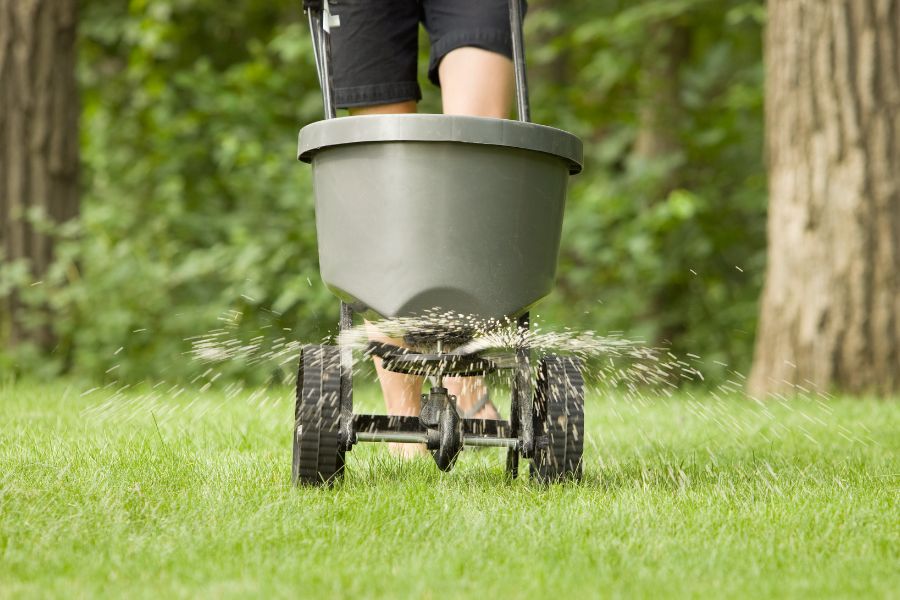
- Apply evenly using a spreader. Avoid overlapping and watch for runoff.
- Water again lightly after applying, unless rain is in the forecast.
Pro Tips for a Healthy Fall Yard
- Rake up leaves regularly so they don’t smother your grass.
- Overseed thin or bare spots—fall is the perfect time to encourage new growth.
- Aerate your lawn to loosen compacted soil and let nutrients reach the roots.
- Skip the weed killers—many herbicides can interfere with new growth during this time.
Don’t Forget Your Garden Beds
Fertilizing isn’t just for grass. Give your perennials, trees, and shrubs a boost before winter sets in. Use a balanced, slow-release fertilizer and apply it around the base of the plants—not directly on top.
A little effort now pays off big time in the spring. Fall fertilizing is like tucking your yard in with a warm blanket and a hearty meal—so it can rest easy and wake up refreshed. So grab your spreader, pick the right fertilizer, and give your lawn and garden the love they need to grow strong and beautiful year-round.
 Home Fix Advisor
Leave a comment